
The Correlation Between Air Pollutants and Breast Cancer Prevalience

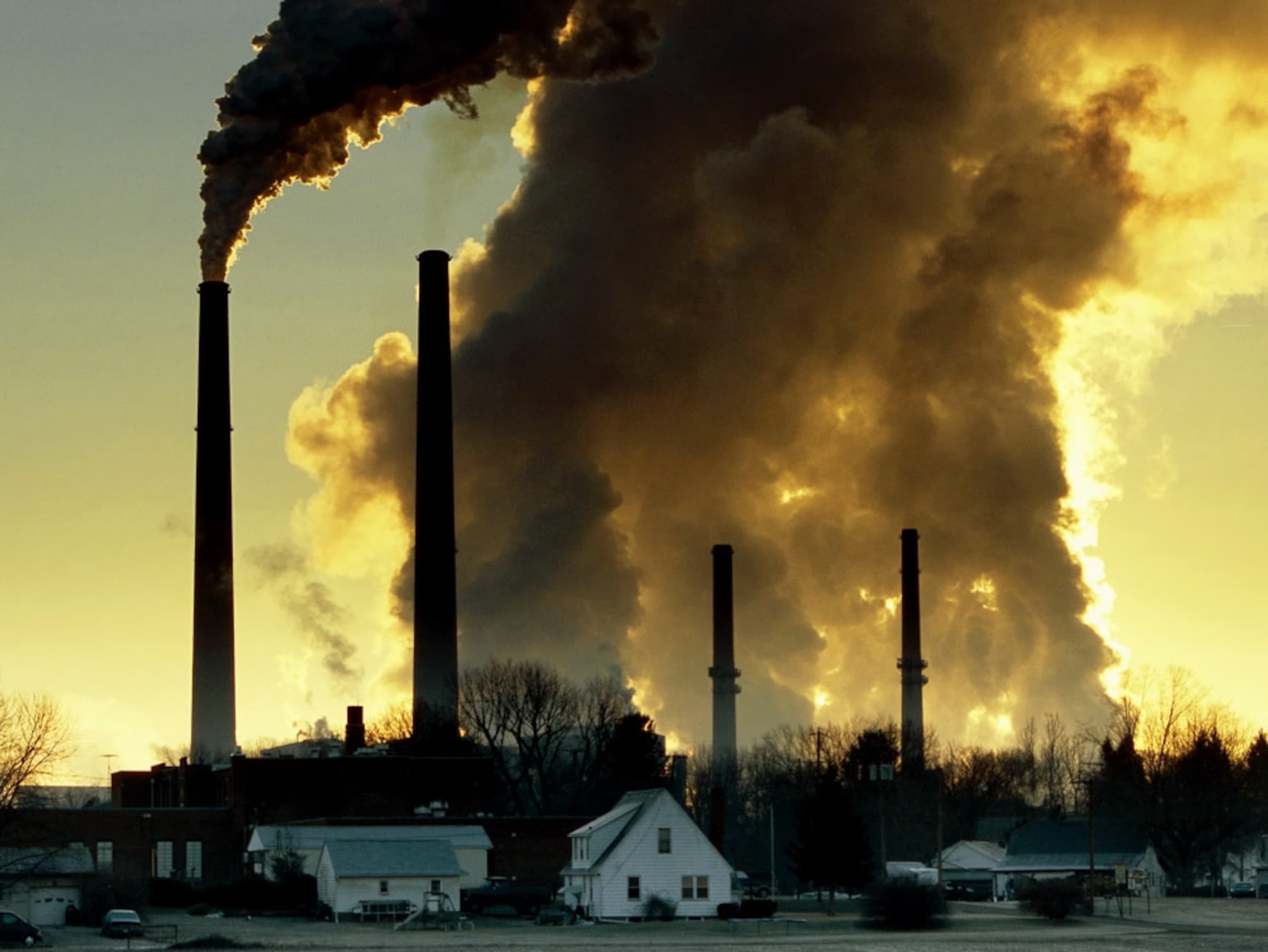
Climate change is notoriously leading to the rapid deterioration of not only our environment but also human health. From global warming promoting antimicrobial resistance to rising sea levels affecting sea-dependent food sources, climate change is intensifying human health issues and leads us to believe that fighting for climate health means more than just protecting the environment. A recent study conducted by researchers affiliated with the National Institute of Environmental Health Sciences and the Harvard T.H. Chan School of Public Health found that exposure to air pollutants was correlated with increased rates of breast cancer, specifically with NO2.
The research group found that an increase in NO22 as minor as 10 micrograms per cubic meter was correlated with a 2% increase in breast cancer risk, which is fairly significant. An estimated decrease in NO22 by ~12 micrograms per cubic meter is thought to theoretically reduce breast cancer risk by 3%. As a result of combustion processes, NO22 primarily enters our atmosphere through air pollution resulting from traffic. Though the molecule itself is not thought to be a mutating factor that could lead to cancer, NO2 is thought to perhaps serve as a carrier for other traffic resulting chemicals that can be carcinogenic.
To analyze data, there were five cohorts separated by who gathered the data between various organizations. This study observed data based on their ER/PR positive or negative status, which determines whether tumor growth is dependent on hormones such as estrogen or progesterone. ER/PR negative tumors tend to be more dangerous than their ER/PR positive counterparts, often needing more intensive chemotherapy and specialized treatments. In this study, out of the five analyzed cohorts, two cohorts exhibited no correlation between NO2 levels and ER/PR status, while two other cohorts exhibited a positive correlation between the NO22 levels and ER/PR negative status, and one cohort exhibited a positive correlation between NO22 levels and an ER/PR positive status. This data indicated to the researchers that there could be a correlation between NO2 and hormone levels for people who are at risk of breast cancer.
Furthermore, the study analyzed regional patterns in breast cancer and pollution. There was an estimated 15% increase in breast cancer risk for Midwestern women because of the PM2.5 levels, which indicates a high level of possibly toxic materials, such as a variety of metals and aerosols, among other possibly carcinogenic materials.
PM2.5 and NO22 have thus both been found to be dangerous for health, and have been correlated with increased breast cancer rates. Not only do the chemicals appear to promote breast cancer, but they also promote more dangerous variations of breast cancer. Though more research needs to be conducted and more analyses need to be made, the discovered correlation indicates a higher need for climate awareness and climate action through the discussion of breast cancer in relation to air pollution levels.
SOURCES: White, A. J., Hart, J. E., Quraishi, S. M., Bookwalter, D. B., Sweeney, M. R., Spalt, E. W., Hendryx, M. S., Irvin, V. L., Lane, D. S., Shadyab, A. H., Sealy-Jefferson, S., Neuhouser, M. L., Whitsel, E. A., Kaufman, J. D., Laden, F., & Sandler, D. P. (2025). Air Pollutants and Breast Cancer Risk: A Parallel Analysis of Five Large US Prospective Cohorts. American Journal of Public Health, 115(12), 2030–2043. https://doi.org/10.2105/ajph.2025.308247
SOURCES: White, A. J., Hart, J. E., Quraishi, S. M., Bookwalter, D. B., Sweeney, M. R., Spalt, E. W., Hendryx, M. S., Irvin, V. L., Lane, D. S., Shadyab, A. H., Sealy-Jefferson, S., Neuhouser, M. L., Whitsel, E. A., Kaufman, J. D., Laden, F., & Sandler, D. P. (2025). Air Pollutants and Breast Cancer Risk: A Parallel Analysis of Five Large US Prospective Cohorts. American Journal of Public Health, 115(12), 2030–2043. https://doi.org/10.2105/ajph.2025.308247