
Interested in learning more? Read some recent publications by our team.
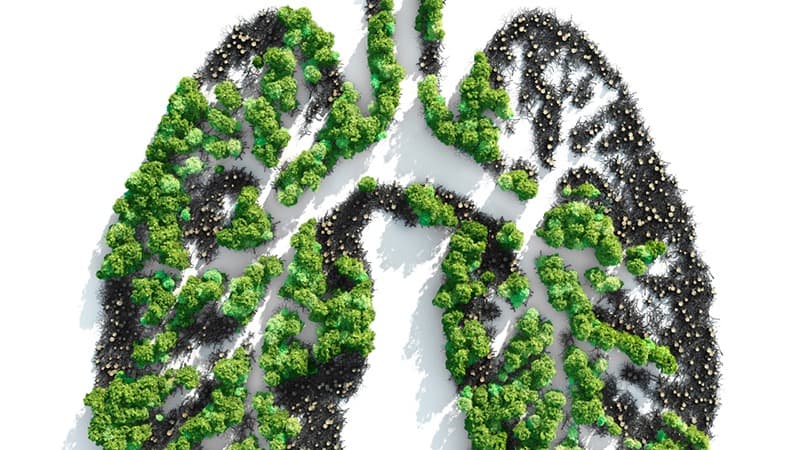
Climate Health: How the Climate Crisis Impacts Health Outcomes Worldwide
Since 1975, the global temperature has been increasing at a rate of 0.36 degrees Celsius each year [1]. Rising temperatures lead to rising sea levels, increased risk of extreme natural disasters, and damaged habitats. Climate change is rapidly affecting the way we live our lives, and has already had disastrous effects on people and animals alike. The increasing impact of climate change often raises one important question: How long until our Earth becomes uninhabitable?
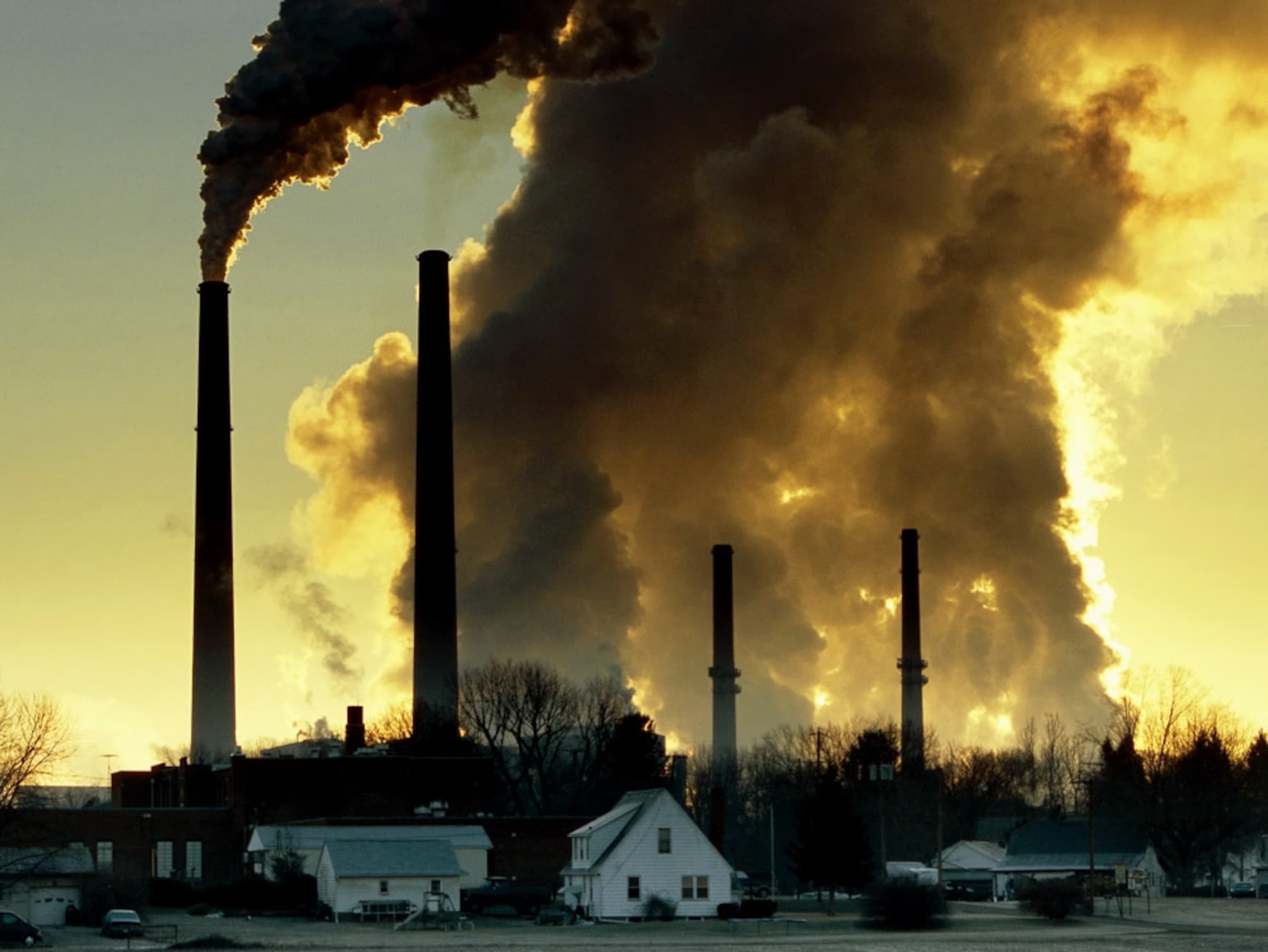
The Correlation Between Air Pollutants and Breast Cancer Prevalience
Climate change is notoriously leading to the rapid deterioration of not only our environment but also human health. From global warming promoting antimicrobial resistance to rising sea levels affecting sea-dependent food sources, climate change is intensifying human health issues and leads us to believe that fighting for climate health means more than just protecting the environment. A recent study conducted by researchers affiliated with the National Institute of Environmental Health Sciences and the Harvard T.H. Chan School of Public Health found that exposure to air pollutants was correlated with increased rates of breast cancer, specifically with NO2.